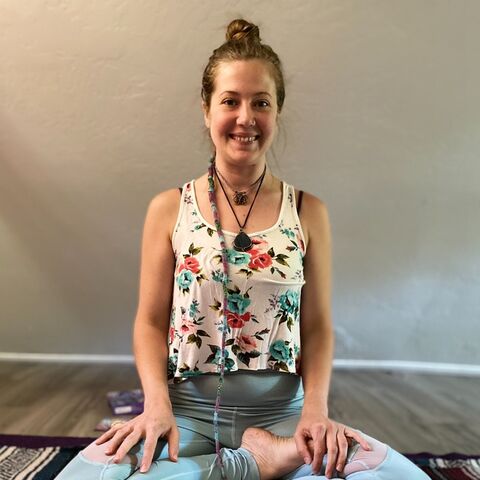
What is a Mindfulness Teacher?
A mindfulness teacher is a trained practitioner who instructs individuals and groups in the cultivation of present-moment awareness, typically through structured programs that combine seated meditation, body awareness exercises, and inquiry into habitual patterns of thought and reactivity. Unlike traditional meditation teachers rooted in a single contemplative lineage, mindfulness teachers often work within secular frameworks that adapt Buddhist vipassana and Zen practices for contemporary Western contexts, particularly healthcare, education, and workplace settings.
The role emerged as a distinct profession in the late 20th century when clinical psychologists and Buddhist practitioners began developing standardized curricula to teach mindfulness-based interventions. Today’s mindfulness teacher meaning encompasses both those certified through established training programs and experienced meditation practitioners who teach mindfulness within broader spiritual or therapeutic contexts.
Origins & Lineage
The modern mindfulness teacher role crystallized in 1979 when Jon Kabat-Zinn, a molecular biologist and Zen practitioner, founded the Stress Reduction Clinic at the University of Massachusetts Medical School and developed Mindfulness-Based Stress Reduction (MBSR). Kabat-Zinn deliberately secularized practices he had learned from teachers including Philip Kapleau, Seung Sahn, and Thich Nhat Hanh, removing explicitly Buddhist terminology while preserving core contemplative techniques.
The eight-week MBSR format became the template for professional mindfulness teaching. In the 1990s, psychologists Zindel Segal, Mark Williams, and John Teasdale adapted this model to create Mindfulness-Based Cognitive Therapy (MBCT) for depression relapse prevention. These standardized programs established mindfulness teaching as a credentialed profession distinct from traditional dharma teaching.
The lineage traces back further to the vipassana revival in Burma and Thailand during the 19th and 20th centuries, particularly to teachers like Mahasi Sayadaw and S.N. Goenka who systematized insight meditation for lay practitioners. Kabat-Zinn’s innovation was stripping these practices of cultural and religious context to make them accessible in medical settings.
How It’s Practiced
Mindfulness teachers typically guide students through three core practices: formal meditation (usually body scan, breath awareness, or open monitoring), mindful movement (gentle yoga or walking meditation), and inquiry (group dialogue exploring habitual reactions to stress and difficulty). A typical MBSR class runs 2-3 hours weekly for eight weeks, with a full-day silent retreat near the program’s end.
Teaching methodology emphasizes experiential learning over doctrine. Rather than lecturing on Buddhist philosophy, mindfulness teachers guide direct investigation of present-moment experience, asking questions like “What do you notice in the body right now?” or “Where does the mind go when it’s not attending to the breath?” Teachers model non-judgmental awareness and create conditions for students to discover insights through their own practice.
Certified mindfulness teachers must complete extensive training—typically 200+ hours of instruction plus personal retreat experience—and demonstrate competence through supervised teaching practicum. Organizations like the Center for Mindfulness, the Mindfulness Center at Brown University, and Bangor University’s Centre for Mindfulness Research and Practice set professional standards.
Mindfulness Teacher Today
Contemporary seekers encounter mindfulness teachers in hospital-based MBSR programs, corporate wellness initiatives, educational settings, online courses, and retreat centers. The field has expanded beyond clinical MBSR to include mindful parenting programs, mindfulness for chronic pain, and workplace stress reduction.
The meditation teacher versus mindfulness teacher distinction has become increasingly important. Meditation teachers often transmit a specific contemplative lineage (Zen, Tibetan, Advaita) with its philosophical context and ethical framework. Mindfulness teachers typically work within secularized, time-limited curricula focused on stress reduction and emotional regulation rather than spiritual awakening or liberation.
Major training pathways include the MBSR teacher training through the Center for Mindfulness, MBCT teacher training through the Oxford Mindfulness Centre, and programs through Insight Meditation Society and Spirit Rock for teachers integrating Buddhist context. Online platforms have democratized access, though questions about training rigor persist.
Common Misconceptions
Mindfulness teaching is not simply leading guided meditations or relaxation exercises. Competent teachers require years of personal practice, formal training in curriculum delivery, and understanding of how mindfulness intersects with psychology, trauma, and group dynamics. The role demands more than good intentions or a meditation app subscription.
Mindfulness is not a cure-all or substitute for psychotherapy, though it complements therapeutic work. Teachers are not therapists unless separately credentialed, and ethical teachers recognize when students need clinical referral. The practice can surface difficult psychological material; trained teachers know how to hold challenging experiences without pathologizing or bypassing them.
What is mindfulness teacher work is also not divorced from ethics and contemplative depth. Critics like Buddhist teacher Bhikkhu Bodhi have argued that stripping mindfulness from its ethical context—the Buddhist noble eightfold path—risks creating a tool for self-optimization rather than genuine liberation. Thoughtful mindfulness teachers acknowledge this tension and often encourage students toward deeper contemplative study.
How to Begin
For those exploring what is a mindfulness teacher for beginners, start by taking an eight-week MBSR or MBCT course with a certified instructor. The Center for Mindfulness maintains a global teacher directory. Foundational texts include Jon Kabat-Zinn’s Full Catastrophe Living and Mark Williams and Danny Penman’s Mindfulness: An Eight-Week Plan for Finding Peace in a Busy World.
Prospective teachers should establish a consistent personal practice—at least one year of daily meditation—before pursuing training. Attend silent retreats (10 days minimum) to deepen practice beyond brief daily sessions. Consider studying with teachers bridging secular and traditional approaches, such as those at Insight Meditation Society or Spirit Rock Meditation Center.
Certification requires significant investment: MBSR teacher training costs $6,000-12,000 and demands 1-2 years. Prerequisites typically include completing MBSR as a participant, establishing daily practice, retreat experience, and sometimes background in healthcare or education. The field rewards those who approach mindfulness teaching as a contemplative calling rather than a career pivot.